How Bird Nesting Can Damage Your Roof and Block Gutters
Living in Rockingham means enjoying coastal breezes, beautiful sunsets and plenty of birdlife. Unfortunately, some of those feathered neighbours can cause real trouble when they decide your roof is the perfect place to raise a family. From galahs and magpies to starlings, sparrows and rainbow lorikeets, birds regularly nest in roof spaces, under eaves, behind solar panels and inside gutters. Left unchecked, this nesting can lead to expensive repairs and even safety hazards. This guide explains how nesting causes damage, what warning signs to look for, and what Rockingham homeowners can do about it in 2026.
Why Birds Nest on Roofs and in Gutters
Roofs offer exactly what birds look for: shelter from wind and rain, protection from predators and a warm, elevated spot. Rockingham's coastal climate, with strong afternoon sea breezes and cooler winter storms, makes sheltered roof cavities especially attractive.
Common Nesting Spots
Birds are opportunistic and will use any gap they can find. Typical nesting locations on Perth homes include:
- Gaps between roof tiles and ridge capping
- Eaves, fascia boards and soffit vents
- Inside gutters and downpipe openings
- Under and around rooftop solar panels
- Roof cavities, chimneys and exhaust vents
- Patio and carport roof structures
Nesting Season in Western Australia
In the Perth region, most native birds breed from late winter through spring, roughly August to December, though some species such as pigeons and introduced sparrows can breed almost year-round. This means the highest risk of new nests is in the warmer months, and nests built in spring can remain in place well into summer, just as bushfire season ramps up.
How Bird Nests Block Gutters
Nest materials such as twigs, grass, leaves, feathers, string and mud are exactly the kind of debris that clogs gutters. A single nest can sit in a gutter and trap leaves, dirt and gum nuts, creating a dense blockage.
The Problems Caused by Blocked Gutters
When water cannot flow freely to the downpipes, it begins to cause problems:
- Overflowing water: Rain spills over the sides and runs down walls, damaging paint, render and brickwork.
- Rusting and corrosion: Standing water and wet organic matter speed up rust in metal gutters, especially in a salt-laden coastal environment like Rockingham.
- Fascia and eave rot: Constant moisture can rot timber fascia boards and soffits.
- Foundation issues: Water pooling near the base of your home can affect soil stability and slabs.
- Mosquito breeding: Stagnant water in gutters is an ideal breeding ground for mosquitoes during warmer months.
- Sagging gutters: A heavy mix of wet debris and nesting material can pull gutters away from the fascia.
How Nesting Damages Your Roof
The damage isn't limited to gutters. Birds can affect the roof itself in several ways.
Displaced Tiles and Ridge Capping
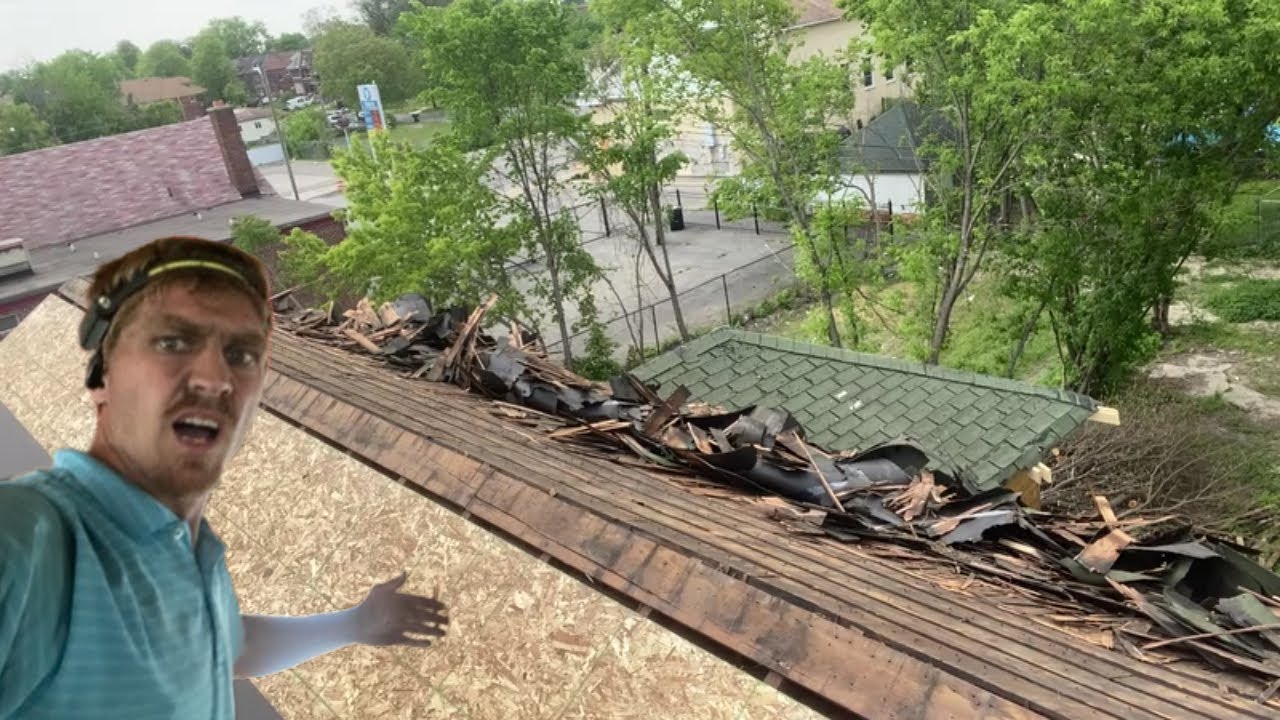
Birds often wedge themselves into small gaps and, over time, can loosen or dislodge tiles and ridge capping, or enlarge existing gaps. Once those gaps widen, rain, wind and even other pests such as rats, possums and insects can get in.
Moisture and Water Ingress
Nests absorb and hold moisture. When they sit against roof timbers, battens or sarking, they can contribute to dampness, mould and timber decay. In the roof cavity, wet nesting material can also damage insulation, reducing your home's energy efficiency.
Droppings and Corrosion
Bird droppings are acidic and can degrade roofing materials over time. On Colorbond and other metal roofing, droppings can stain the surface and, if left to build up, can accelerate corrosion. On tiles, they promote moss and lichen growth that further holds moisture against the surface.
Blocked Vents and Flues
Nests built in exhaust fans, flues, chimneys or roof vents can block airflow. This can lead to poor ventilation, trapped heat and moisture, and in the case of gas appliance flues, a risk of dangerous fumes backing up into the home.
Solar Panel Problems
Many Rockingham homes now have rooftop solar. Birds, particularly pigeons and sparrows, often nest in the warm gap beneath panels. This can result in chewed or fouled wiring, reduced panel output from debris and droppings, and hot spots that reduce system performance. Installing solar panel bird mesh is a common preventative step.
Fire and Health Risks
Dry nesting materials such as twigs, dry grass and bark are highly flammable. In Western Australia, where bushfire and ember attack are real concerns, nests in gutters and roof cavities can easily ignite from embers. Homes near reserves, dunes and bushland https://finnczyu324.oakridgedigest.com/posts/a-homeowner-x27-s-guide-to-gutters-downpipes-and-drainage areas around Rockingham should take particular care to keep gutters clear.
There are health considerations too. Nests and droppings can harbour mites, lice, bacteria and fungal spores. Pigeon and starling droppings in particular can carry organisms that may cause respiratory illness when dried droppings are disturbed. Always wear gloves and a properly fitted P2 mask if you need to handle nesting material, and wash your hands thoroughly afterwards.
Warning Signs of Bird Nesting on Your Roof
Catching a problem early makes it far easier and cheaper to fix. Watch for these signs:
- Twigs, straw or feathers hanging from gutters, eaves or roof edges
- Birds regularly entering and leaving the same gap in the roof
- Chirping or scratching noises in the ceiling or roof space, especially early morning
- White droppings streaks on walls, fascia, paths or solar panels
- Water overflowing from gutters during rain
- Plants or weeds growing in the gutter
- Displaced or lifted ridge capping or tiles
- Unusual smells or stains on ceilings, which can indicate moisture or nesting in the cavity
Legal Considerations in Western Australia
Before removing a nest, it's worth knowing the rules. Native birds in Western Australia are protected under the Biodiversity Conservation Act 2016. It is generally an offence to harm native birds or to disturb or destroy active nests containing eggs or chicks without authorisation. If you find an active nest of a native species such as a magpie, galah or lorikeet, the best approach is often to wait until the chicks have fledged, then remove the nest and seal the entry point.
Introduced species such as feral pigeons, house sparrows and common starlings are not afforded the same protections, but humane handling is still strongly recommended. If you are unsure whether a bird is native or whether a nest is active, contact the Department of Biodiversity, Conservation and Attractions (DBCA) or a local wildlife rescue organisation for guidance. Professional roofing and gutter services will also know how to handle the situation properly.
How to Prevent Birds Nesting on Your Roof
Prevention is far easier than dealing with an established nest. Practical steps include:
Seal Entry Points
Inspect your roof for gaps at the eaves, ridge capping, vents and where the roof meets walls. Seal these with appropriate materials such as flashing, mesh, or tile-specific bird proofing strips. Do this outside breeding season or once any nest is confirmed vacant.
Install Gutter Guards
Quality gutter guards or mesh help keep both leaves and nesting material out of your gutters. In bushfire-prone areas, look for guards made of non-combustible materials such as stainless steel or aluminium mesh that meet Australian standards for ember protection.
Use Bird Proofing Products
Humane deterrents can be effective when installed correctly. Options include bird spikes on ledges, netting on open structures, and mesh skirts around solar panels. Avoid sticky gels and poisons, which are inhumane, can harm non-target wildlife and may be illegal in some situations.
Trim Overhanging Branches
Trees that overhang your roof give birds easy access and drop extra debris into gutters. Trimming branches back from the roofline reduces both nesting activity and gutter blockages. Check local council rules if the tree is protected or on verge land.
Keep Food Sources Under Control
Pet food left outside, open compost bins and deliberate feeding of birds all attract unwanted visitors. Removing these makes your property less appealing as a permanent roosting and nesting spot.
Regular Roof and Gutter Maintenance
For Rockingham homes, a routine inspection schedule is the best defence. Aim to have your gutters and roof checked at least twice a year, ideally before winter rains arrive and again after spring nesting season. Homes close to the coast may need more frequent checks because salt air speeds up corrosion and wind carries more debris.
A thorough inspection should cover gutters and downpipes, ridge capping, tile condition, flashings, vents, solar panel surrounds and the roof cavity if accessible. Safety is crucial: roof and gutter work at height causes serious injuries every year in Australia, so consider hiring a qualified professional rather than climbing a ladder yourself.
When to Call a Professional
It's wise to engage a professional if you notice any of the following:
- Large or multiple nests in gutters or the roof cavity
- Persistent water overflow even after clearing leaves
- Damaged or displaced tiles and ridge capping
- Nests near gas flues, exhaust vents or electrical wiring
- Heavy droppings build-up requiring safe clean-up
- A steep, tiled or two-storey roof that is unsafe to access
A local Rockingham roofing and gutter specialist can safely remove nests where permitted, repair damaged areas, clean and flush gutters, and install long-term bird proofing and gutter protection. They also understand local conditions, from salt-affected metalwork to the specific species commonly found in the area.
Final Thoughts
Bird nesting might seem harmless, but over time it can lead to blocked gutters, water damage, corroded roofing, fire hazards and health risks. Staying alert to early warning signs, keeping up with regular maintenance and installing preventative measures like mesh and gutter guards will protect your home and your wallet. If you're dealing with a nesting problem on your Rockingham property, getting a qualified local professional to inspect your roof and gutters is a smart step toward keeping your home safe, dry and well maintained through 2026 and beyond.
Rockingham Roof Restoration
Unit 7, 8 Livingstone Rd, Rockingham WA 6168
(08) 9515 3009